Systems Built to Handle Years of Daily Demand
Water Heater Replacements in Lincoln for aging equipment that no longer heats reliably
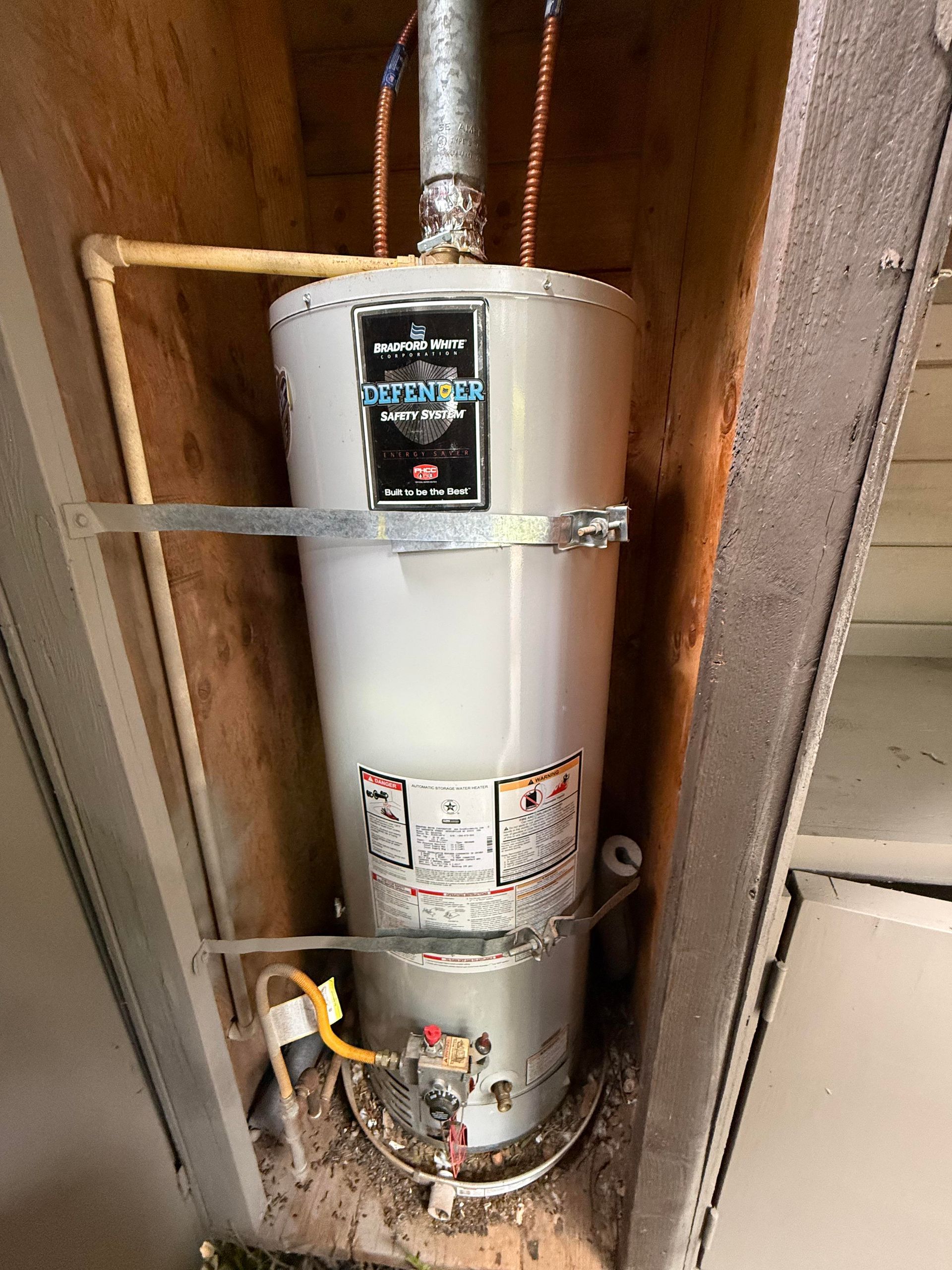
Water Heater Company specializes in the complete replacement of outdated or malfunctioning water heaters with modern, energy-efficient systems throughout Lincoln and its surrounding areas. If your existing unit struggles to retain temperature, experiences leaks at the base, or has reached the end of its recommended lifespan, choosing to replace it can help avoid sudden failures and restore reliable performance. The company offers a range of options, including tank, tankless, gas, electric, hybrid, and high-efficiency models, tailoring each installation to fit your household size and usage patterns.
The replacement process includes removing the old unit, ensuring that venting, gas lines, and electrical connections comply with current codes, and installing a system that meets your actual hot water needs. This approach mitigates common factors that lead to premature failures—such as sediment buildup, corroded tanks, and faulty thermostats—by starting anew with equipment designed for extended service intervals. Selecting the appropriate capacity helps prevent the annoyance of running out of hot water during showers or laundry cycles, while opting for energy-efficient models can lower your monthly utility expenses.
Contact us for a same-day quote to explore your system options and finalize your installation schedule.
What Proper Replacement Requires
Every replacement begins with evaluating your household's peak demand, fuel type availability, and installation location constraints. Water Heater Company ensures all installations meet current codes and safety requirements, including seismic strapping where mandated, proper combustion air supply for gas units, and correctly sized pressure relief valves. The company prioritizes fast turnaround times, including emergency replacement options when a catastrophic leak or total system failure leaves you without hot water.
Once the new system is operational, you'll notice water heating to the set temperature within the expected recovery time, no cold water sandwiches mid-shower, and no puddles forming beneath the unit. Tank models hold reserve capacity for simultaneous use across multiple fixtures, while tankless systems provide continuous flow as long as demand stays within the unit's rated gallons per minute. The installation eliminates the inefficiency of an aging heat exchanger or degraded insulation that forced your old system to cycle constantly.
The service includes disposal of the old unit, testing of all new connections for leaks, and verification that temperature and pressure settings align with manufacturer specifications. Replacement doesn't address underlying plumbing issues like low water pressure or hard water scaling, but it does reset your system's reliability timeline and often qualifies for utility rebates when upgrading to high-efficiency models.
Replacement decisions often hinge on understanding what different systems offer and how installation requirements vary by equipment type.
Questions Before Starting Your Project
How do I know which capacity my household needs?
Your peak hour demand determines the right size—calculate gallons used during your busiest morning or evening routine, then match that to a tank's first-hour rating or a tankless unit's flow rate at your desired temperature rise.
What changes when switching from tank to tankless?
Tankless units require adequate gas line sizing or electrical panel capacity to support on-demand heating, plus annual descaling maintenance in areas with hard water, but they eliminate standby heat loss and provide endless hot water as long as flow stays within rated capacity.
How quickly can replacement happen after my current system fails?
Water Heater Company offers emergency replacement options with same-day service availability, though specific timing depends on equipment inventory and whether your installation requires any code-related modifications to venting or fuel connections.
Will a new system work with my existing plumbing?
Most replacements connect to existing supply and delivery lines without modification, but upgrading to a significantly different system type may require adjustments to venting pathways, gas pressure, or electrical service amperage.
What affects replacement cost beyond the unit itself?
Labor includes removal and disposal of the old system, any necessary permit fees, code compliance upgrades like expansion tanks or upgraded venting, and the complexity of accessing your installation location—attics and crawlspaces take longer than garage or basement installs.
Water Heater Company provides honest recommendations on repair versus replacement when your system shows signs of failure, helping you avoid spending money on temporary fixes for equipment already past its useful lifespan. Schedule a consultation to review system options and confirm installation requirements for your property.