
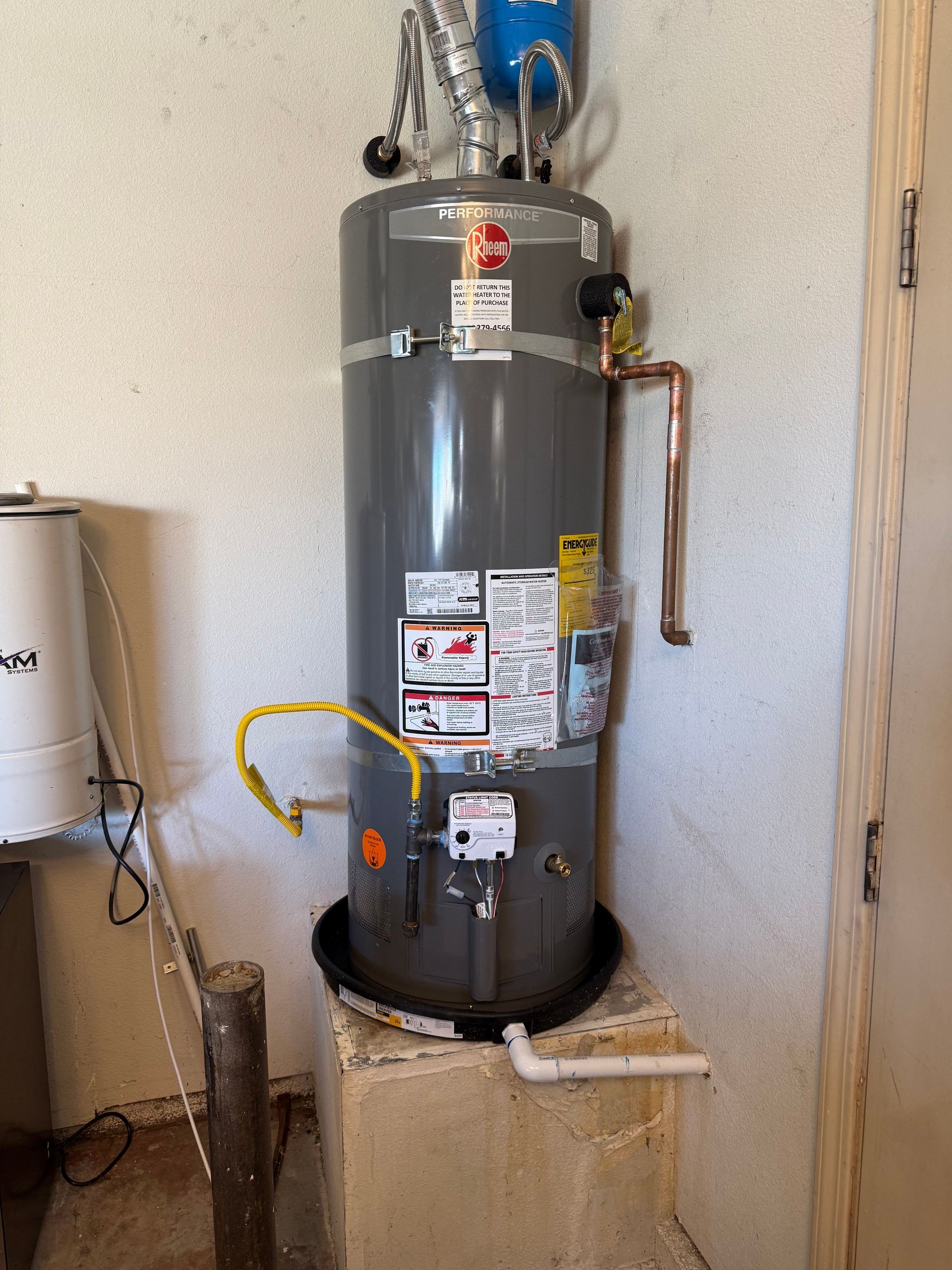
Fresh Systems Configured for Current Code Standards
New Water Heater Installations in Lincoln for construction projects and planned system upgrades
New construction and major renovations require water heating systems sized and positioned for optimal performance from day one. Water Heater Company provides professional installation for tank, tankless, heat pump, and high-efficiency models in Lincoln, working with homeowners, contractors, and property managers to coordinate placement, fuel connections, and venting pathways before walls close and access becomes restricted. Proper sizing prevents the common mistake of installing a forty-gallon tank in a home where peak demand regularly exceeds sixty gallons, leaving occupants frustrated by inadequate capacity.
Installation involves calculating peak hour demand based on the number of bathrooms, fixture types, and simultaneous use patterns, then selecting equipment that meets those requirements while complying with current energy codes. The company ensures proper sizing, placement, and system configuration, accounting for clearance requirements around combustion appliances, drainage pathways for temperature and pressure relief valves, and accessibility for future maintenance. All installations are completed up to code with attention to safety and performance, including seismic restraints, proper venting termination, and adequate combustion air supply.
Arrange a consultation to review system options and confirm installation timelines for your project schedule.
What You Notice Once Installation Completes
Each installation begins with verifying that gas line pressure, electrical panel capacity, or existing plumbing connections align with the new system's input requirements. Water Heater Company focuses on clean, efficient installs with minimal disruption, protecting finished surfaces during equipment transport and completing all work within the scheduled window. The company coordinates with other trades to sequence installations appropriately—water heaters go in after framing and rough plumbing but before final drywall in new construction.
Once operational, your system delivers hot water at the designed flow rate and temperature to every fixture simultaneously during peak use periods, assuming the unit was sized correctly for actual demand. Tankless installations provide continuous flow without the recovery lag inherent in storage tanks, while high-efficiency tank models maintain reserve capacity with lower standby losses. You'll see no leaks at connection points, proper condensate drainage on condensing models, and correct clearances maintained around the unit for ventilation and service access.
The installation doesn't address water quality issues like hardness or sediment in the supply line, which affect all plumbing fixtures and may require separate filtration. It also doesn't modify your home's overall plumbing layout or fixture efficiency, though pairing a properly sized water heater with low-flow fixtures maximizes the effective capacity of your system.
Installation planning requires understanding how different system types integrate with your property's existing infrastructure and future needs.
Answers to Frequent Service Questions
What determines the best location for a new water heater?
Proximity to high-demand fixtures minimizes wait time for hot water, while practical considerations include access to fuel sources, adequate venting pathways to the exterior, floor drain availability for leak protection, and sufficient clearance for maintenance and eventual replacement.
How does installation differ between tank and tankless systems?
Tankless units often require larger gas lines or dedicated high-amperage electrical circuits to support instantaneous heating, plus specific venting materials rated for higher exhaust temperatures, whereas tank systems typically connect to existing fuel infrastructure with minimal modification.
When should installation happen during new construction?
Water heaters install after rough plumbing and electrical are complete and inspected, but before insulation and drywall in most cases—this timing allows access for positioning and connection while protecting the unit from construction dust and debris during finishing work.
What code requirements affect installation in Lincoln?
Current standards mandate seismic strapping in earthquake-prone zones, properly sized temperature and pressure relief valve discharge piping terminating outdoors, and adequate combustion air supply for gas-fired units, among other safety provisions that vary based on equipment type and installation location.
Can I upgrade to a higher-efficiency model during new installation?
New installs provide the ideal opportunity to specify condensing or heat pump models that reduce operating costs, especially when utility rebates offset the higher upfront equipment expense and installation occurs before occupancy begins.
Water Heater Company handles permit acquisition and inspection coordination to keep your project on schedule, ensuring installations pass code review on the first attempt. Request an installation estimate to confirm equipment selection and project timing.