
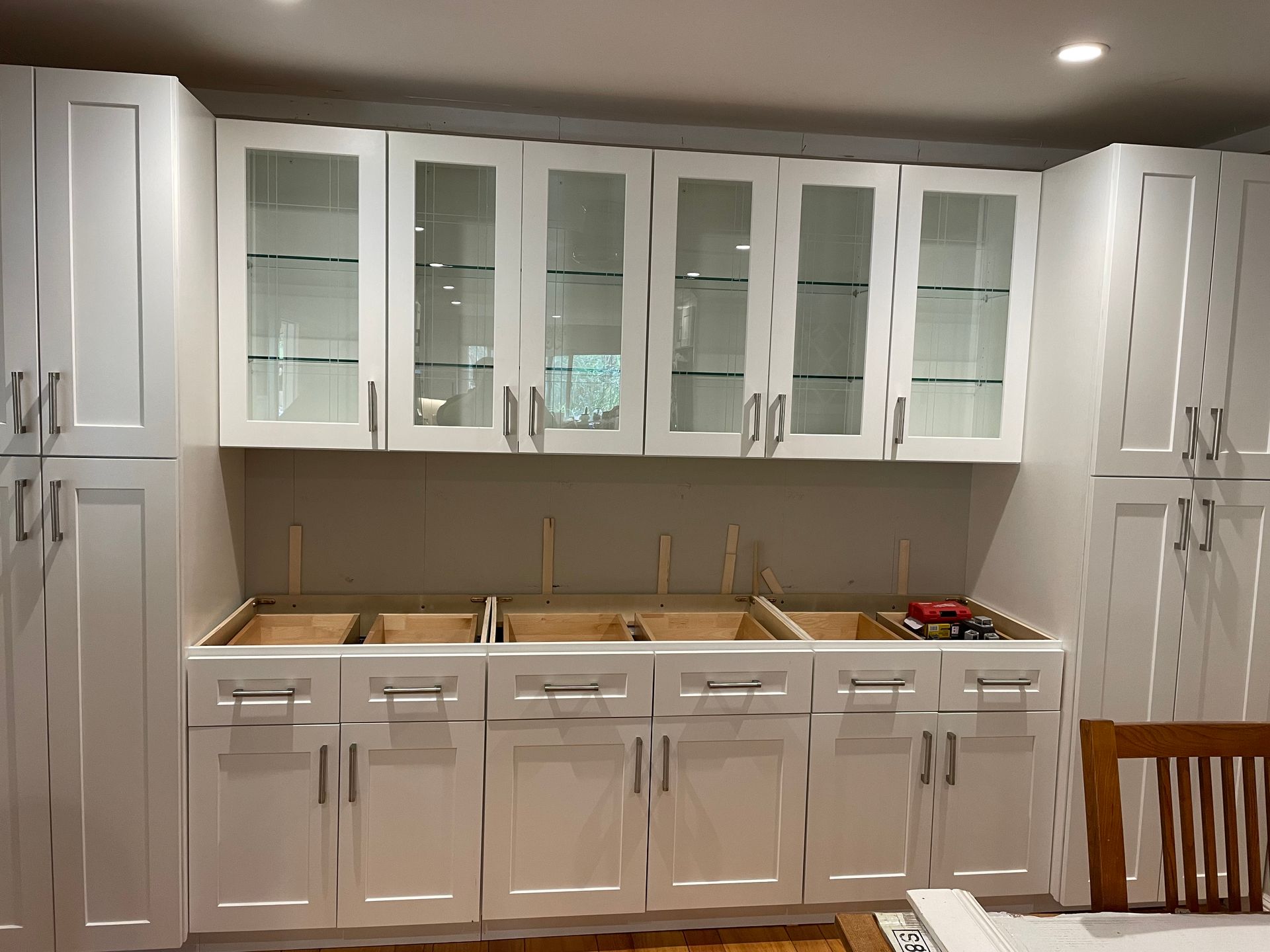
Kitchens Built Around How You Work
Kitchen Remodels in Lincoln for households needing improved workflow and updated plumbing infrastructure
Kitchen plumbing systems built decades ago often lack the fixture connections and appliance hookups modern households require, creating bottlenecks during meal preparation when multiple people need simultaneous access to sinks, dishwashers, and refrigerator water lines. Remodeling addresses these limitations by relocating fixtures to improve work triangle efficiency, adding pot filler faucets that eliminate carrying heavy water across the kitchen, and installing dedicated supply lines for appliances that prevent pressure drops when multiple fixtures run at once. Water Heater Company handles kitchen remodels that prioritize both layout functionality and plumbing system performance, ensuring the finished space supports your cooking patterns and household size.
The process starts with evaluating existing plumbing locations and determining what can be reused versus what requires replacement due to corrosion, undersized pipe diameter, or code violations. Moving a sink across the kitchen means rerouting drain lines with proper slope and venting, relocating shut-off valves to accessible locations, and coordinating with countertop fabricators so plumbing penetrations align precisely with fixture openings. Dishwasher and refrigerator connections must comply with current backflow prevention requirements to protect the home's potable water supply from contamination.
Request a planning session to assess your current kitchen plumbing, identify what infrastructure upgrades the remodel requires, and establish a realistic timeline.
What Actually Happens During the Project
Kitchen remodels proceed in phases—demolition reveals the condition of hidden plumbing and identifies problems that must be corrected before new installation, rough plumbing establishes supply and drain line positions for all fixtures and appliances, and finish plumbing connects visible components once cabinetry and countertops are in place. Each phase requires inspection approval before the next phase begins, and delays often occur when hidden conditions like undersized drain lines or galvanized pipe deterioration force plan modifications. Water Heater Company maintains clear communication about what's found during demolition and how it affects cost or schedule, rather than discovering problems after finishes are installed.
Once complete, you notice the sink drains faster because the trap and vent system are properly sized and sloped, water pressure at the faucet remains steady even when the dishwasher fills, and appliance connections no longer leak because they're installed with code-compliant shut-off valves and braided supply lines. The layout supports efficient movement between sink, cooktop, and refrigerator because fixture placement was planned around actual task sequences rather than just fitting everything along available wall space.
Projects typically remain on schedule when fixture and appliance selections are finalized before demolition, since last-minute changes to sink configuration or appliance dimensions require reworking rough plumbing that's already inspected and concealed. Successful remodels balance client preferences with practical constraints like where drain stacks can be accessed and how much floor or ceiling space can be opened to reroute plumbing without compromising structural integrity.
Homeowners often need guidance on managing the disruption of losing kitchen access and understanding what decisions affect both budget and final functionality.
Questions Before Starting Your Project
How long will the kitchen be out of service?
Most kitchen remodels take three to five weeks from demolition through final inspection, during which you'll rely on temporary setups for meal preparation—project duration depends on scope, whether structural changes are involved, and how quickly fixture selections and inspections occur.
What plumbing decisions must be made early?
Sink configuration including number of bowls and faucet hole count, appliance locations for dishwasher and refrigerator water lines, and whether you're adding features like pot fillers or instant hot water dispensers all determine rough plumbing layout that gets locked in before cabinets are installed.
Can I keep the same sink location to reduce cost?
Reusing existing drain and supply locations saves labor if the current position supports your preferred layout, but moving the sink even a few feet often improves workflow enough to justify the additional plumbing work, particularly in kitchens where the sink sits too far from the cooktop or refrigerator.
Why does drain line routing matter for layout options?
Kitchen sinks require properly vented drain lines that slope at least one-quarter inch per foot toward the main stack, which limits how far the sink can move from existing plumbing unless you're willing to open floors or ceilings in adjacent spaces to extend drainage.
What does Lincoln require for remodel permits and inspections?
Kitchen remodels involving plumbing work require building permits, with inspections at rough plumbing stage before walls close and at final completion before occupancy, ensuring all work meets current plumbing and building codes even if the original kitchen predates those requirements.
Water Heater Company coordinates all plumbing aspects of kitchen remodels throughout Lincoln, working with homeowners to translate design preferences into functional layouts that meet code requirements. Arrange an initial consultation to review your current space, discuss priorities, and develop a project approach that minimizes disruption while achieving your goals.