
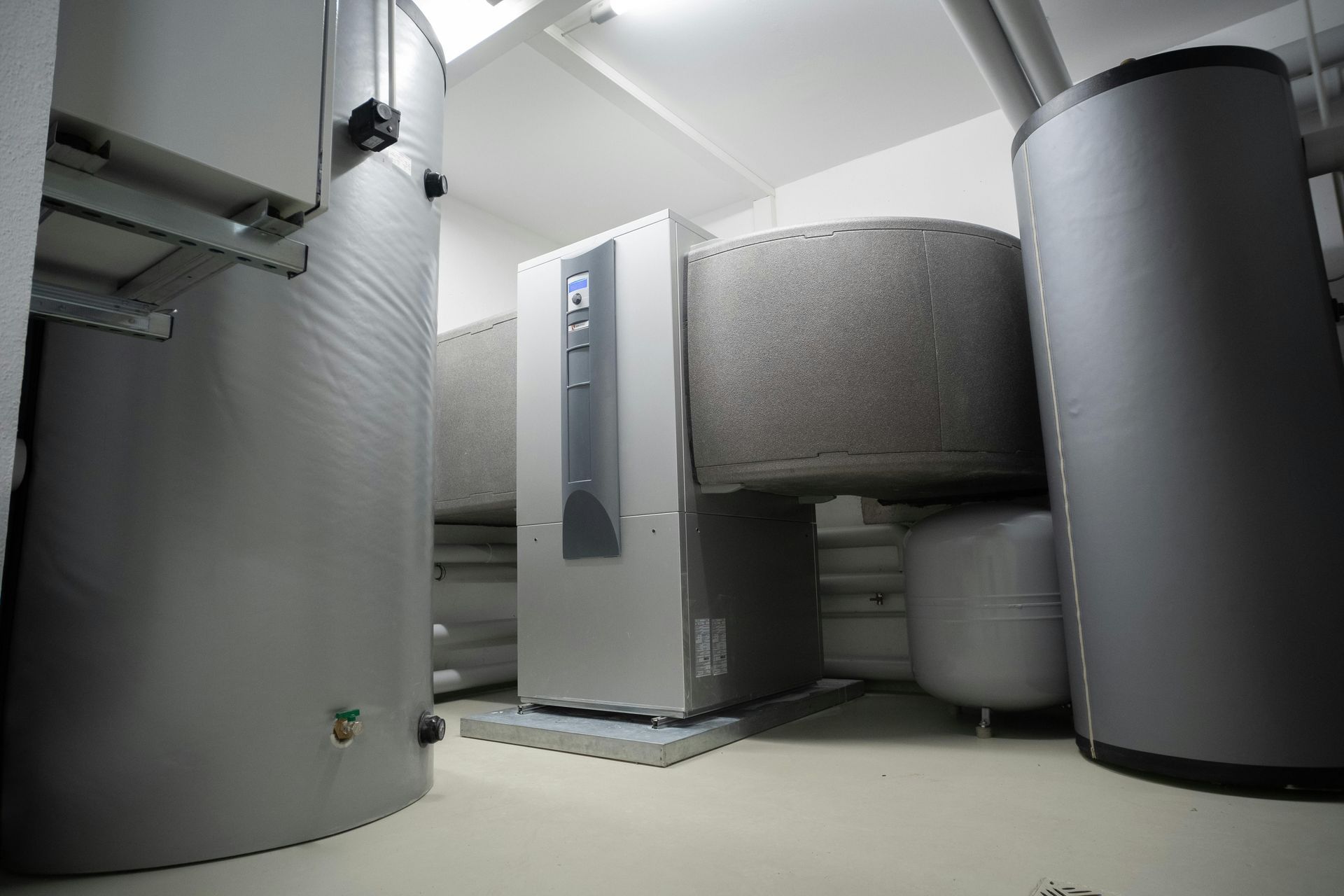
Water Heating That Cuts Energy Use
Heat Pump Water Heater Services in Lincoln for homes prioritizing efficiency without sacrificing hot water reliability
Heat pump water heaters transfer warmth from surrounding air into stored water rather than generating heat directly, reducing energy consumption by up to two-thirds compared to conventional electric resistance systems. Water Heater Company installs and services these high-efficiency units across Lincoln, helping property owners lower utility costs while maintaining dependable hot water delivery. The technology works especially well in California's climate, where ambient air temperatures support consistent heat transfer year-round.
This service addresses the gap between rising energy costs and household hot water demand by using a refrigerant cycle similar to what operates in reverse in an air conditioner. Installation requires adequate space for airflow around the unit and proper drainage for condensate, along with electrical supply rated for the compressor and fan. The system pulls heat from the air in the installation area, which slightly cools and dehumidifies that space—a consideration for placement in garages, basements, or utility rooms.
Schedule a property evaluation to determine if your electrical service and installation space meet the requirements for heat pump technology.
What Changes After Installation Completes
You notice a measurable drop in water heating costs within the first full billing cycle, often seeing energy use for hot water reduced to one-third of what a standard electric tank consumes. The unit operates with a compressor hum similar to a refrigerator rather than the silent operation of resistance heating, and you may observe cooler air near the installation location as the system extracts ambient heat. Water Heater Company configures controls for your usage patterns and explains the hybrid modes that switch to resistance heating during periods of exceptionally high demand.
The system requires filter cleaning every few months to maintain airflow efficiency, and the condensate drain line must remain clear to prevent overflow. Recovery time differs from conventional tanks because heat pump operation runs longer at lower intensity rather than delivering short bursts of high-wattage heating. Most households adapt within days once they understand how the efficiency mode prioritizes energy savings over rapid reheating.
These units perform best when located in spaces that remain between 40 and 90 degrees year-round, and installation in conditioned spaces may slightly reduce heating costs in summer while marginally increasing them in winter as the system removes warmth from the air. Proper sizing accounts for household occupancy, simultaneous fixture use, and whether the system will support high-efficiency appliances like low-flow showerheads that extend available hot water.
Homeowners considering this technology often want to understand how the system performs in real-world conditions and what maintenance it requires beyond traditional tanks.
Questions Property Owners Usually Ask
What happens if the heat pump component fails?
The unit automatically switches to standard electric resistance heating to maintain hot water availability while the compressor or refrigerant issue gets diagnosed and repaired, so you never lose hot water entirely even during a service call.
How does Lincoln's climate affect performance?
Heat pump water heaters operate efficiently in the region's moderate temperatures, and the dry climate reduces humidity-related concerns while providing consistent ambient heat for the transfer process throughout most of the year.
What size unit handles a family of four?
Capacity depends on simultaneous use patterns rather than just occupancy—households with staggered morning routines may use a 50-gallon heat pump unit successfully, while homes with multiple bathrooms in use at once often require 65 to 80 gallons or a larger compressor rating.
Why does the space around the unit feel cooler?
The heat pump extracts thermal energy from surrounding air and transfers it into the water tank, which lowers the temperature in the installation area by several degrees and removes moisture, functioning as a modest dehumidifier for the space.
How long does installation typically take?
Most installations complete in four to six hours depending on whether electrical panel upgrades or condensate drainage routing is required, and the system is operational the same day once electrical connections and startup procedures finish.
Water Heater Company handles installation, maintenance, and troubleshooting for heat pump water heaters throughout Lincoln and surrounding areas. Arrange an on-site consultation to review electrical capacity, space requirements, and projected energy savings for your property.