Diagnosis That Identifies the Actual Failure Point
Water Heater Repairs in Lincoln for leaks, inconsistent heating, and system malfunctions
When your water heater produces lukewarm water during peak demand, makes banging or hissing sounds, or drips from valve connections, the underlying cause often involves a failed heating element, sediment accumulation restricting flow, or a malfunctioning thermostat sending incorrect temperature signals. Water Heater Company diagnoses and repairs all major water heater types and system issues across Lincoln, restoring performance without unnecessary replacement. The company services both residential and commercial equipment, handling everything from single-family tank units to larger commercial systems serving multi-unit properties.
Repair work identifies whether the problem stems from electrical components, gas control valves, anode rod depletion allowing tank corrosion, or pressure imbalances affecting system operation. The company uses proven methods to restore performance and extend system lifespan, replacing worn parts rather than entire units when the tank itself remains structurally sound. Prioritizing fast response, including twenty-four-hour emergency repair availability, ensures you're not left without hot water for extended periods.
Call for immediate service if you're experiencing a total loss of hot water or an active leak.
How Repairs Address Specific System Issues
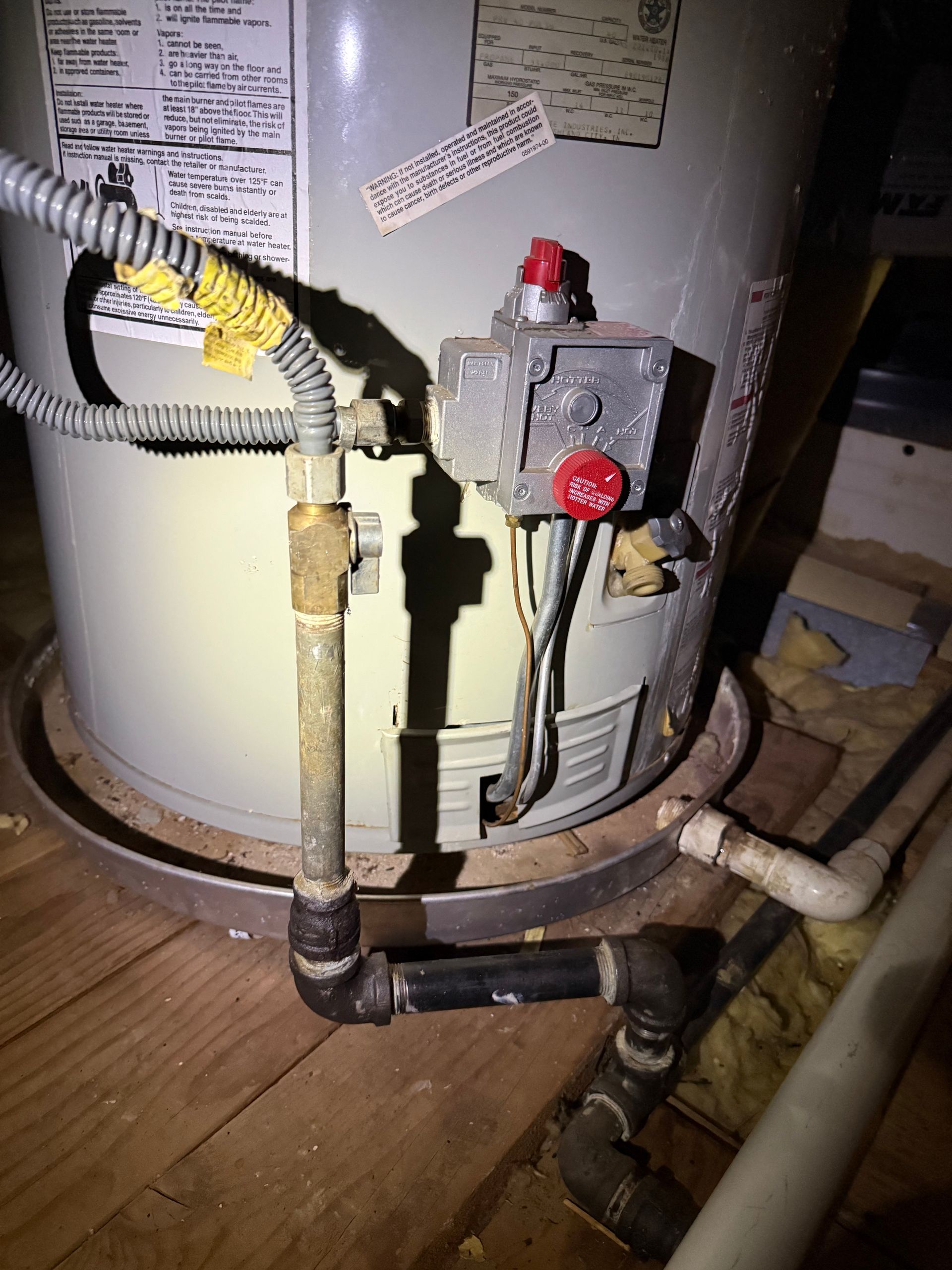
Each repair begins with testing water temperature at multiple fixtures, inspecting visible components for wear or damage, and using diagnostic tools to measure electrical continuity or gas valve operation. Water Heater Company handles leaks from threaded connections, inconsistent heating caused by sediment layers insulating the tank bottom from the heat source, strange noises indicating scale buildup or steam formation, and complete system failures traced to tripped breakers or extinguished pilot lights.
After repair, you'll notice water reaching the thermostat setting consistently, no temperature fluctuations between morning and evening use, and elimination of the knocking sounds that occur when water trapped beneath hardened sediment flashes to steam. The work stops active drips that waste water and risk damaging surrounding flooring, and it restores the system's ability to maintain set temperatures without constant cycling.
Repairs don't extend the life of a tank already compromised by internal rust perforation, and they may not be cost-effective if multiple major components have failed simultaneously on a unit near the end of its expected lifespan. The company provides honest recommendations on repair versus replacement when diagnostic findings indicate that continued investment in an aging system will only delay inevitable failure by months rather than years.
Repair decisions depend on understanding what's causing the symptoms you're experiencing and whether fixing individual components makes financial sense.
Common Questions About This Service
What causes water heaters to produce inconsistent temperatures?
Sediment buildup at the tank bottom creates an insulating layer that prevents efficient heat transfer, while failing thermostats send incorrect signals that cause the heating element or burner to cycle off prematurely, leaving you with lukewarm water during high-demand periods.
How long do typical repairs take?
Replacing a heating element or thermostat usually takes one to two hours once the technician arrives and confirms the diagnosis, though flushing a heavily sedimented tank or addressing multiple component failures requires additional time.
Why does my water heater make banging noises?
Popping or rumbling sounds indicate water trapped beneath hardened sediment layers at the tank bottom—as that water heats, it turns to steam and forces its way up through the sediment, creating the percussive noise you hear during heating cycles.
When should I repair instead of replace?
If your unit is less than halfway through its expected lifespan, the tank shows no signs of rust or active corrosion, and only one or two components have failed, repair typically provides several more years of service at a fraction of replacement cost.
Can repairs address slow hot water recovery?
Recovery rate problems often trace to undersized heating elements, insufficient gas input on the burner assembly, or sediment accumulation reducing effective tank capacity—repairs targeting those specific issues restore the system's ability to reheat quickly after heavy use.
Water Heater Company offers emergency support when failures occur outside regular business hours, preventing extended disruption to your daily routines. Contact the service team to arrange diagnosis and same-visit repair when possible.