
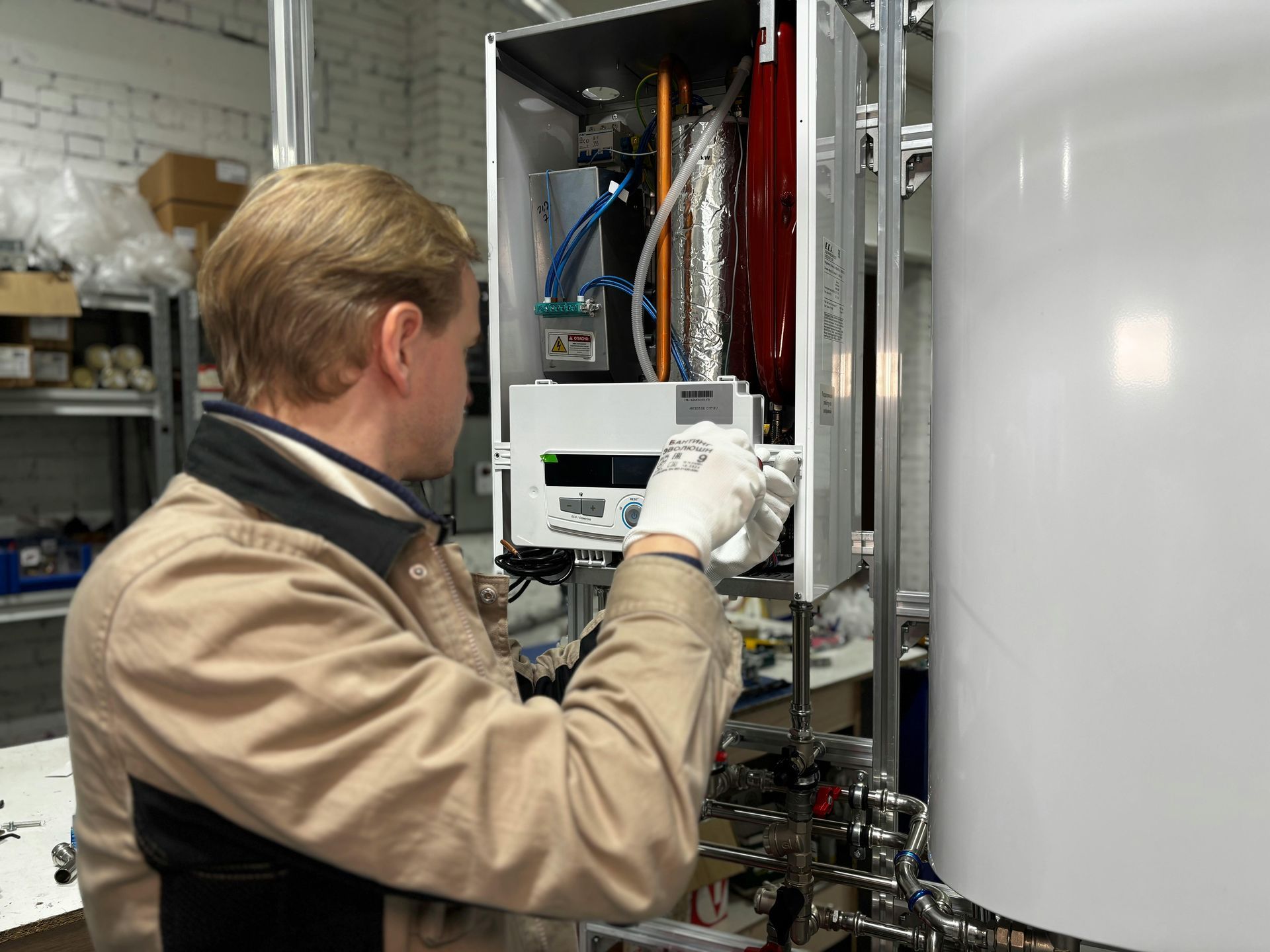
Dependable Heating Without Gas Lines
Electric Water Heater Services in Lincoln for properties requiring reliable hot water through resistance heating elements
When heating elements fail inside an electric water heater, the visible symptom appears as lukewarm water that never reaches set temperature, or a complete loss of hot water if both elements burn out. Water Heater Company diagnoses and repairs electric water heating systems throughout Lincoln, addressing element failure, thermostat malfunction, and wiring issues that prevent consistent performance. Electric systems suit homes without natural gas service and properties where venting combustion exhaust is impractical, offering straightforward operation through direct electrical resistance heating.
The service involves testing electrical supply voltage, verifying circuit breaker capacity matches the heater's amp draw, and inspecting element condition by measuring resistance with the power disconnected. Most residential electric tanks use two elements that heat in sequence rather than simultaneously—the upper element heats the top portion of the tank first, then the lower element maintains temperature in the full tank volume. When one element fails, you still get some hot water but not enough for full household demand.
Arrange an evaluation to identify whether insufficient hot water stems from element failure, undersized tank capacity, or electrical supply limitations.
How Electric Systems Deliver Consistent Performance
Electric water heaters convert electrical current directly into heat through submerged resistance elements, avoiding the complexity of gas combustion and venting but requiring higher amperage circuits—typically 30 amps for a 40-gallon residential unit. Installation demands correctly sized wire gauge between the electrical panel and the tank, along with a dedicated circuit breaker and compliant disconnect switch within sight of the unit. Water Heater Company verifies that existing wiring meets current code, particularly in older homes where aluminum wire or undersized copper may create fire hazards under sustained load.
You observe restored hot water capacity once failed elements are replaced, with water reaching the thermostat set point and maintaining temperature during normal use. The system operates silently since it contains no burner or fan, and recovery time depends entirely on element wattage—a 4500-watt element reheats a 50-gallon tank in approximately 90 minutes from cold.
Electric models often accumulate sediment faster than gas units because the lower element sits directly on the tank floor where minerals settle, and this buildup insulates the element and causes premature failure. Regular draining through the tank's drain valve removes sediment and extends element life, though many homeowners neglect this maintenance until hot water performance degrades noticeably.
Homeowners frequently ask about repair costs versus replacement timing and how to prevent recurring element failures that disrupt hot water availability.
Common Questions About This Service
What causes heating elements to fail prematurely?
Sediment accumulation around the lower element creates localized overheating that burns out the resistance coil, while lime scale buildup in areas with hard water insulates elements and forces them to run continuously at maximum output until failure.
How long does element replacement take?
Most element replacements complete within two hours including tank draining, element removal, and refilling with air purge to prevent dry firing when power restores, assuming the tank itself remains structurally sound without internal corrosion.
Can I upgrade to a larger tank using existing wiring?
The electrical circuit must match the new tank's amp rating—upgrading from a 40-gallon to a 50-gallon unit often requires both higher-wattage elements and heavier wire gauge, which involves panel work and possibly service capacity evaluation.
Why does the circuit breaker trip when the heater runs?
Either the breaker has weakened over time and trips below its rated capacity, or the heating element has developed a short to the tank body, or loose wiring connections at the breaker create resistance that generates heat and triggers the thermal trip mechanism.
What electrical requirements apply in Lincoln for water heater installation?
Current code requires a 30-amp dedicated circuit for most residential tanks, GFCI protection in specific locations such as garages, and proper bonding to the plumbing system to prevent electrical shock hazards from stray current.
Water Heater Company handles electric water heater installation, element replacement, and electrical troubleshooting for homes and light commercial properties across Lincoln. Contact us to schedule service for heating performance issues or to discuss system replacement based on your property's electrical capacity.